
A person dwarfed by a massive waterfall

The plan

Incentivize industry to convert CO₂ into sellable products

Three phases

Zephyro is searching for the ultimate solution in converting CO₂ into valuable products

The following is our 3-step plan, ultimately resulting in our ability to implement the best technology in real-world applications. The goal is to find this solution, implement it at-scale, and educate the general public.

Aerial view of a glacial river through forest
Phase 01

Phase One

Survey the literature and identify research institutions that are best suited to tackle the issues presented in our mission. By connecting with these institutions, we will choose which are best suited for our goals and present a call for proposals where technologies for carbon capture will be of emphasis.
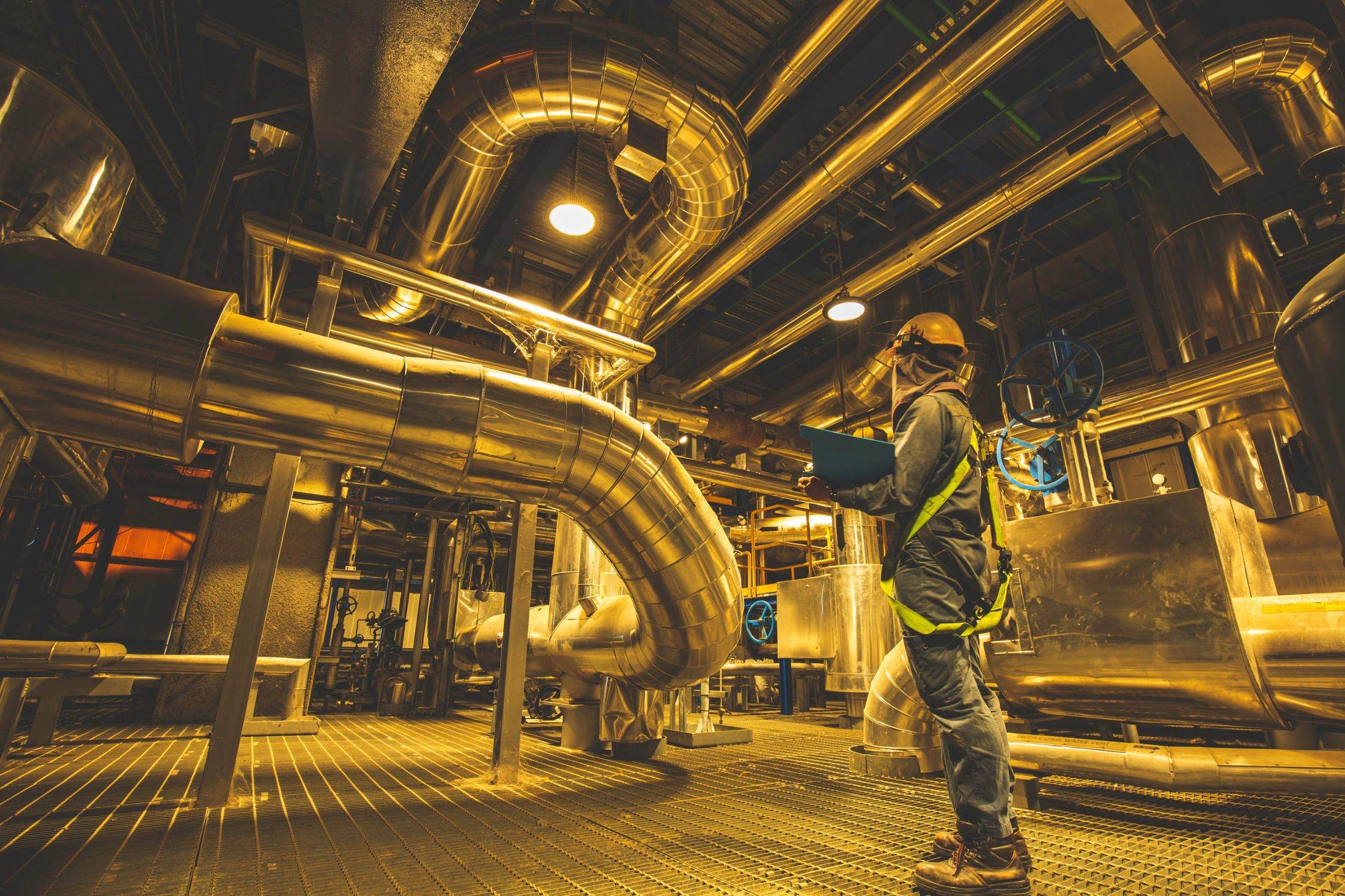
Engineer inspecting process piping inside a plant
Phase 02

Phase Two

Based on the effectiveness, costs, and conversion process of the carbon capture technologies, the few most promising technologies presented from Phase One will be selected. The selected technologies will receive funding (3-4 years) to scale-up the technology with full lab tests and optimization of the technology.

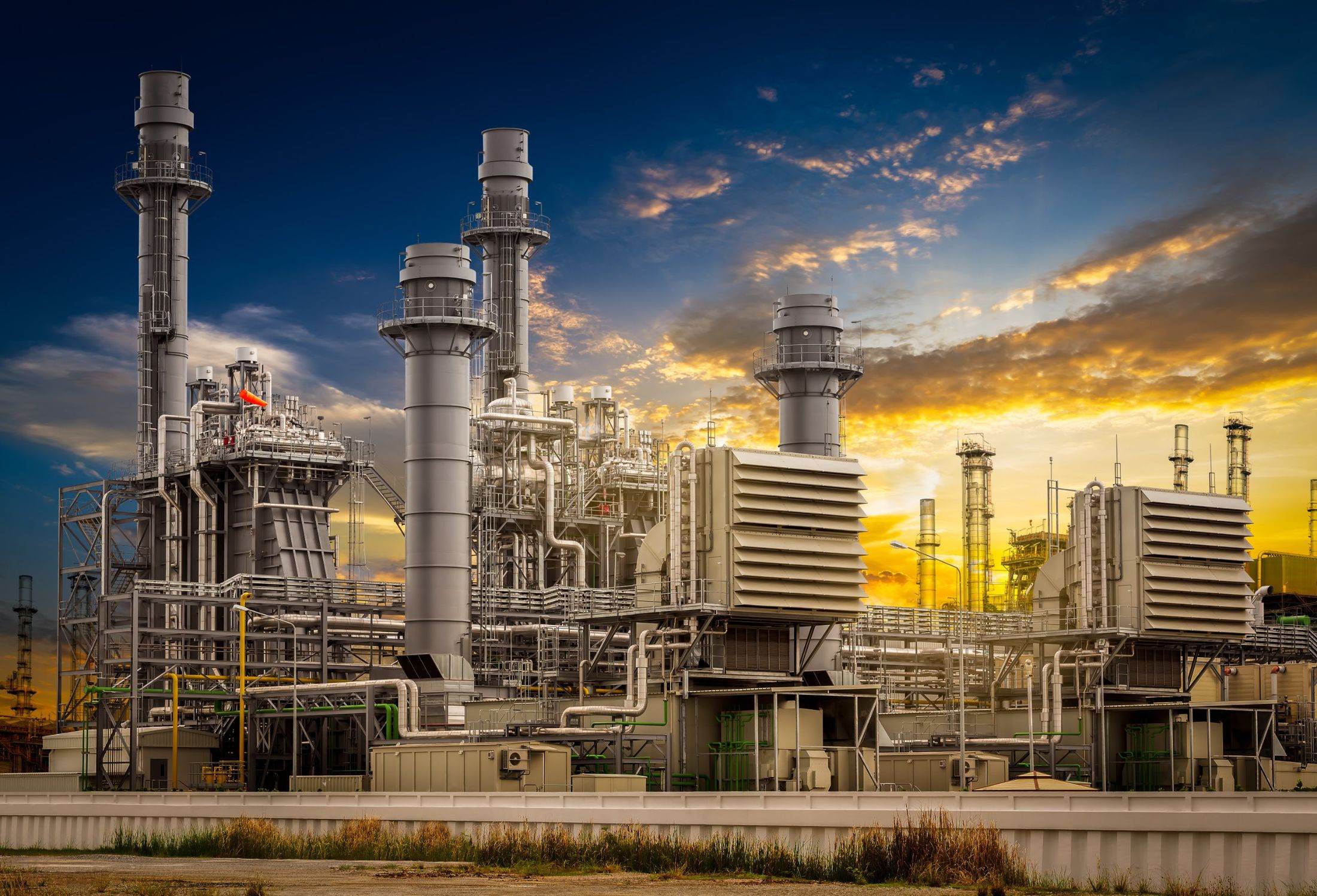
Gas-fired power plant at sunset
Phase 03

Phase Three

The best 1-2 technologies from Phase Two will be selected for scale-up pilot studies. Implementation of the best technology in real world application. Education of general public through conference attendance/presentations, hosting of events, and media outreach will continue.

Market opportunity

What are these “sellable” valuable products?

Carbon is the building block of life. Almost anything can be made from CO2, but here are a few examples of sellable products that can be made today.

Microalgae$22.2 BGlobal demand: 1,350 MT
Urea$59.5 BGlobal production: 198.4 MT
Polycarbonate$14.4 BGlobal demand: 3.6 MT
Methanol$36 BGlobal production: 75 MT
Dimethyl carbonate (DMC)$280 MGlobal demand: 0.24 MT
Dimethyl ether (DME)$3.2 BGlobal demand: 6.3 MT

Market scale (annual). MT: million tons, imperial; B: $1 billion USD. Source: https://aaqr.org/articles/aaqr-13-10-ir-0326.pdf

Aerial view of a forest canopy in autumn

Milestones

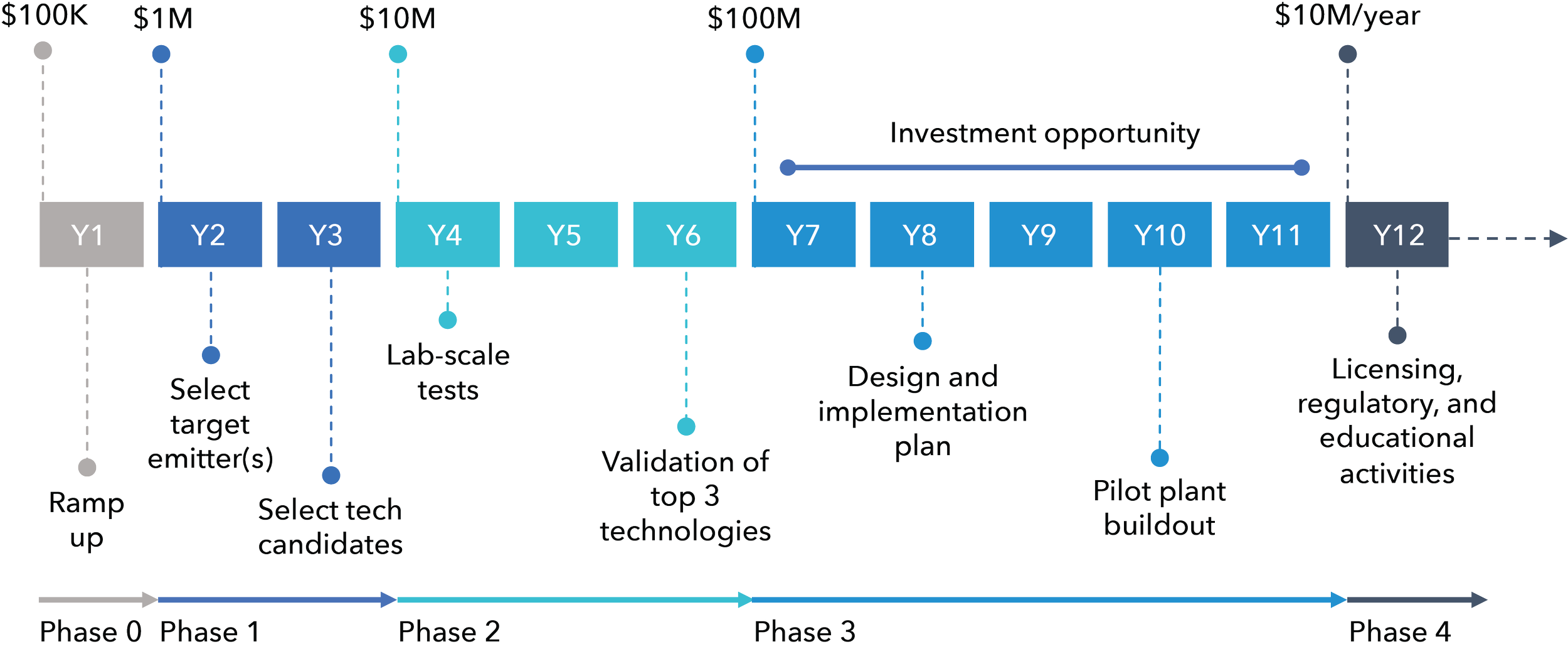
Zephyro’s milestones: a 10+ year plan

Zephyro 10+ year timeline
  1. 1 year

    Ramp-up phase

    $100k, 100% internal

  2. 2 years

    Phase 1, search for the right technology

    $400k internal research, $600k external research

  3. 3 years

    Phase 2, technology validation

    $4M internal research, $6M external research

  4. 5 years

    Phase 3, pilot plant

    $5M internal engineering, $95M external engineering, construction

  5. ongoing

    Phase 4, outreach and education

    100% of royalty payments are spent internally on scholarships, marketing, public relations, education, and outreach

Team

Meet the Founders

Grant Thomas

Grant Thomas

Co-Founder & CEO

Grant Thomas is a commercial litigator with a focus on intellectual property. He continues to work with several start-up clients to develop their platforms. His passion for promulgating climate change solutions led him to co-found Zephyro.

Charles Bailey

Charles Bailey

Co-Founder & CFO

MS from Drexel University, majoring in Mechanical Engineering. Charles holds dual degrees in entrepreneurship and engineering management. He is passionate about preserving our world’s oceans and natural wonders.

Dr. Gregory Fridman

Dr. Gregory Fridman

Co-Founder & CTO

Ph.D. in Biomedical Engineering, interest in synthetic chemistry, plasma chemistry, catalysis, and plasma engineering. Principal Investigator/Co-PI on multiple government and private grants. Dreams to use 25+ years of knowledge to improve our children’s future.

Ramp-up phase

Help us get started!

Ramp-up phase deliverables

  • Functioning environmental startup
  • $1M for Phase 1
  • Partnerships with major institutions and research facilities with interest and expertise in carbon capture and utilization
  • Connections with potential recipients of pilot-scale funding
  • Target donors and agencies willing to support our vision
  • Plan, schedule, budget, and timeline of Phase 1

Ramp-up funds

$10,000 received of $100,000

$90,000 remaining